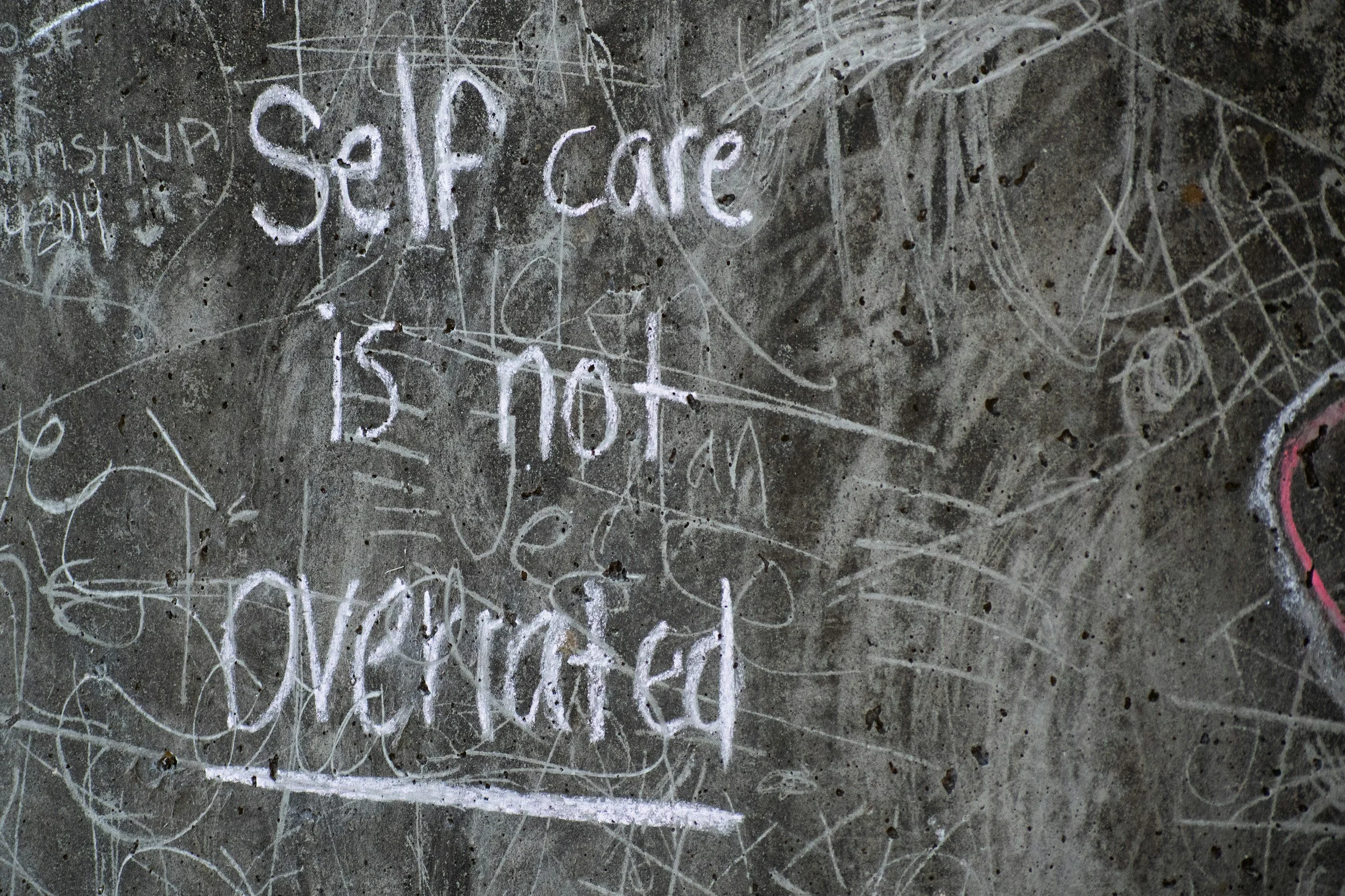
When you think about your relationship, it’s easy to focus mostly on the other person and the dynamic between the two of you. Good communication and showing appreciation matter, and they have a lot to do with your partner. But you’re also a person in this relationship, and when you neglect yourself, you’re not bringing your best self into it.
Sometimes it helps to step back and reframe what it means to show up for yourself so you can be the best version of you, both for your partner and for the fulfilling life you’re building together, rather than just the relationship itself.
You Can’t Give What You Don’t Have
If you’ve lost touch with yourself, your hobbies, your emotions, your unmet needs, and your boundaries, it eventually catches up with you. Skipping the work of understanding your own feelings, unpacking emotional baggage, and treating yourself as someone deserving of care negatively impacts your relationship.
It can lead to emotional burnout, resentment toward your partner, or even codependent dynamics where you lose your own sense of self entirely. None of that makes for a sustainable relationship. The more depleted you become, the harder it is to show up the way you want to for the person you love.
Showing Up for Yourself Helps You Show Up for Your Partner
When you’re taking care of yourself, you naturally become a better communicator. You’re able to express your needs and emotions clearly, without slipping into blame. You can articulate what you’re feeling, handle conflict with more steadiness, and respond instead of getting defensive in the middle of an argument.
There’s also a ripple effect: showing up for yourself models healthy behavior for your partner. If they’ve also struggled to prioritize themselves, watching you do it consistently can be the nudge that inspires them to do the same.
What Showing Up for Yourself Actually Looks Like
Coping With Your Emotions
A good place to start is learning to understand and regulate your emotions. Journaling can help you notice patterns, what triggers your anxiety, what sends your stress levels climbing, or what pulls you into a darker headspace. Tracking how you feel and why, and getting specific about the emotions underneath the surface, makes them easier to work with.
Mindfulness is another useful practice. It helps you accept your feelings and current situation without judging yourself, while becoming more present in your body.
Diving Into What You Like
Prioritizing the things you genuinely love also matters. Having your own interests and hobbies, the things that make you you, gives your life more texture and keeps your sense of self intact. It’s perfectly fine to share activities with your partner, but holding onto your individuality means you’re bringing a fuller, richer person into the relationship rather than losing yourself in it.
Setting Healthy Boundaries
Work on setting appropriate boundaries. That might mean saying no when you’re burned out, when you have nothing left to give, or when you notice a pattern of being walked over that’s chipping away at your self-esteem. Boundaries aren’t always comfortable to set, but they’re necessary if you want relationships that actually support you.
Give Yourself the Same Care You Give Your Relationship
If any of this feels difficult to put into practice on your own, that’s worth paying attention to rather than pushing past. Working with an individual therapist can give you the space to rebuild your self-esteem, strengthen your sense of identity, and learn to advocate for yourself. The more solid you feel as an individual, the more you have to offer the relationship you’re building with someone else.
If you’re ready to show up for yourself and be the best you, contact me today to learn how individual therapy can meet your needs.